Accommodations
“Live life with no excuses, travel with no regret.” – Oscar Wilde
Accommodations: When traveling overseas, one may encounter significant differences in hotel accommodations compared to those in the United States or Canada. Hotels in many countries tend to be older and may lack some of the creature comforts and modern amenities that are common in North American hotels. Additionally, the level of service and hospitality may vary, and cultural norms surrounding things like dining and personal space can be vastly different.
For instance, in many parts of Europe, hotels are often housed in historic buildings that have been converted for modern use. While these hotels may have a charming and unique atmosphere, they may also have smaller rooms, less soundproofing, and older plumbing fixtures. Similarly, in some Asian countries, hotels may be more focused on efficiency and functionality, with less emphasis on luxury and comfort.
Regarding dining customs, travelers should be prepared for variations in mealtimes, menu options, and service styles. In some cultures, it is customary to dine later in the evening, and restaurants may not open until 8 or 9 pm. The pace of service may also be slower, and it is not uncommon for courses to be served over a longer period. Additionally, the concept of “free refills” on drinks is not as prevalent in many countries, and water may not be automatically served at the table.
It’s important for travelers to approach their overseas experiences with an open mind and a willingness to embrace cultural differences. While it may take some adjustment, immersing oneself in local customs and trying new things can be a rewarding and enriching part of the travel experience.
Transportation
All ground transportation will be aboard state-of-the-art air-conditioned motor coaches, ensuring a comfortable and luxurious travel experience. Each coach is meticulously maintained to the highest standards, guaranteeing a smooth and reliable ride. With a private driver at the helm, you can rest assured of personalized service and expert navigation through unfamiliar roads. And to keep you connected during your journey, complimentary Wi-Fi is available on most coaches, allowing you to stay in touch with loved ones, work remotely, or simply browse the internet for entertainment. Whether you’re embarking on a sightseeing tour or a long-distance transfer, these newer buses offer a combination of comfort, safety, and convenience, making your ground transportation experience truly exceptional.
Adaptors
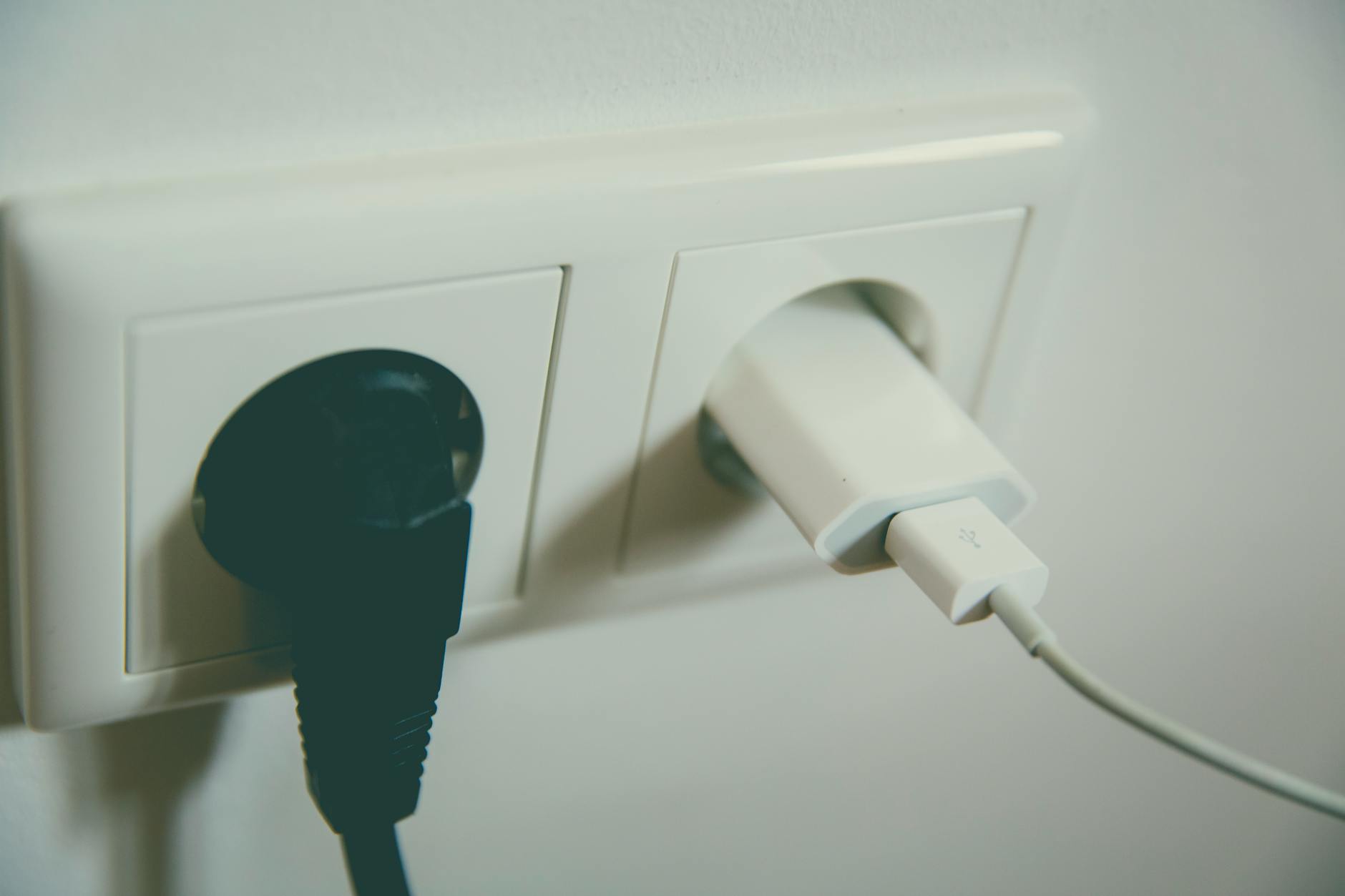
England
- Electrical outlets in England are of the Type G standard, which has three rectangular prongs arranged in a triangle.
- The standard voltage is 230 volts and the frequency is 50 Hz.
- You will need a Type G adapter or converter to use your US electrical devices in England.
Greece
- Electrical outlets in Greece are of the Type C standard, which has two round prongs.
- The standard voltage is 230 volts and the frequency is 50 Hz.
- You will need a Type C adapter or converter to use your US electrical devices in Greece.
Tips for Using Converters and Adapters
- Make sure that the converter or adapter you are using is compatible with the voltage and frequency of the country you are visiting.
- Do not use converters or adapters with high-powered appliances, such as hair dryers or curling irons.
- Always unplug your electrical devices when you are not using them.
- If you are unsure about using a converter or adapter, consult with a qualified electrician.
Additional Information
- Many hotels in England and Greece provide adapters for their guests.
- You can also purchase adapters and converters at electronics stores and travel goods stores.
- It is always a good idea to pack a converter or adapter when you are traveling abroad.
 Christian Travel Pro | ANTHEM, AZ